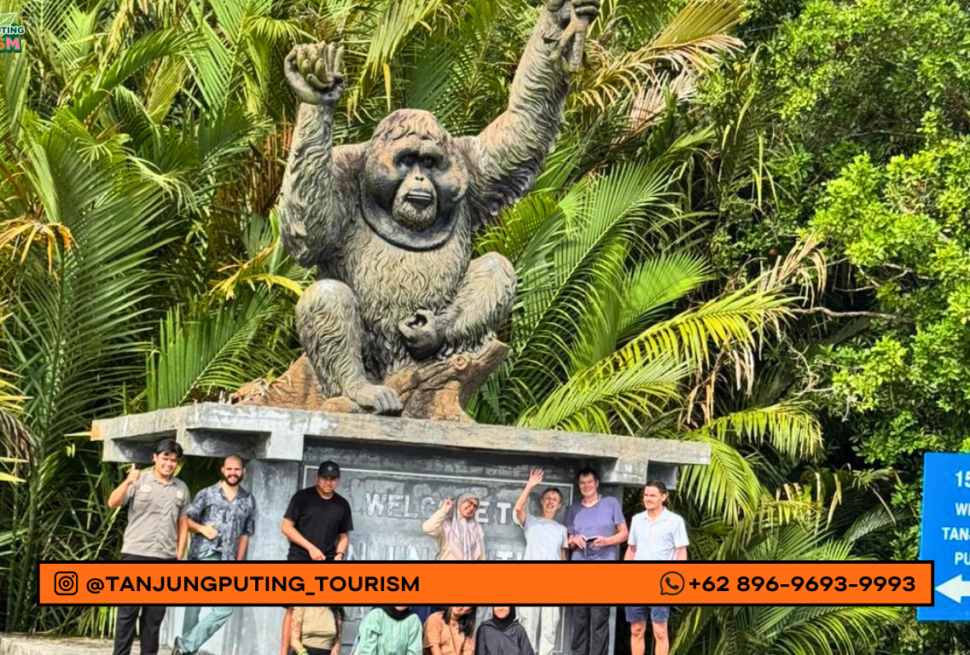
Tanjung Puting National Park is one of Indonesia’s most important conservation areas, located in West Kotawaringin Regency, Central Kalimantan. The park is widely known as a natural habitat for the Bornean orangutan (Pongo pygmaeus) and for its rich biodiversity of tropical rainforest ecosystems. Its pristine rivers, dense forests, and unique wildlife make Tanjung Puting a leading ecotourism destination in Indonesia.Pongo pygmaeusand for its rich biodiversity of tropical rainforest ecosystems. Its pristine rivers, dense forests, and unique wildlife make Tanjung Puting a leading ecotourism destination in Indonesia.
History and Establishment
Tanjung Puting was first designated as a nature reserve in 1937 during the Dutch colonial period. As awareness of environmental protection and biodiversity conservation grew, the area was officially declared a national park in 1982. Since then, Tanjung Puting has served as a protected area for ecosystems as well as a center for research and wildlife conservation, especially for orangutans.
Biodiversity
The park contains a wide variety of ecosystems, including peat swamp forests, mangrove forests, coastal forests, and lowland tropical rainforests. These diverse habitats support numerous species of plants and animals.
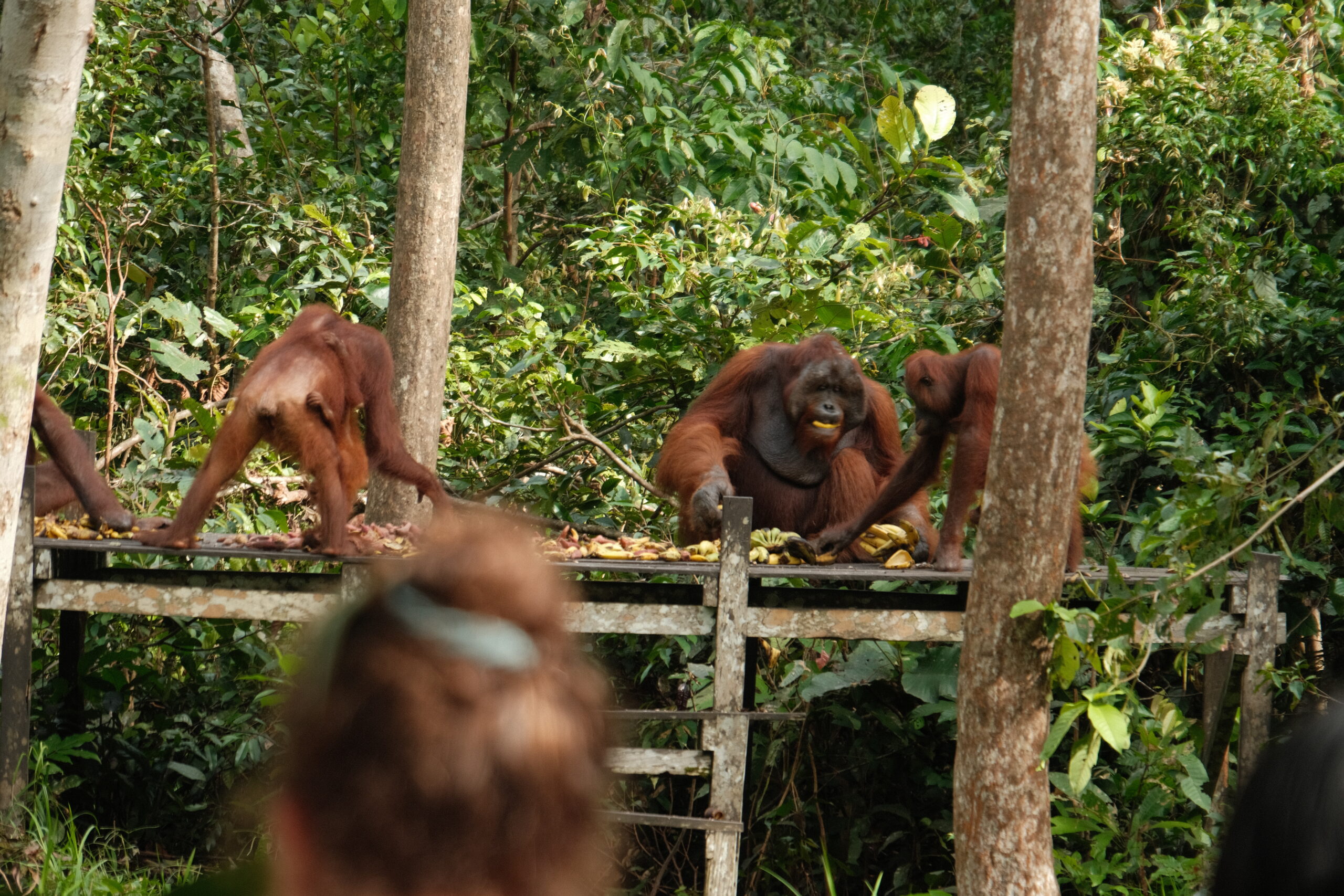
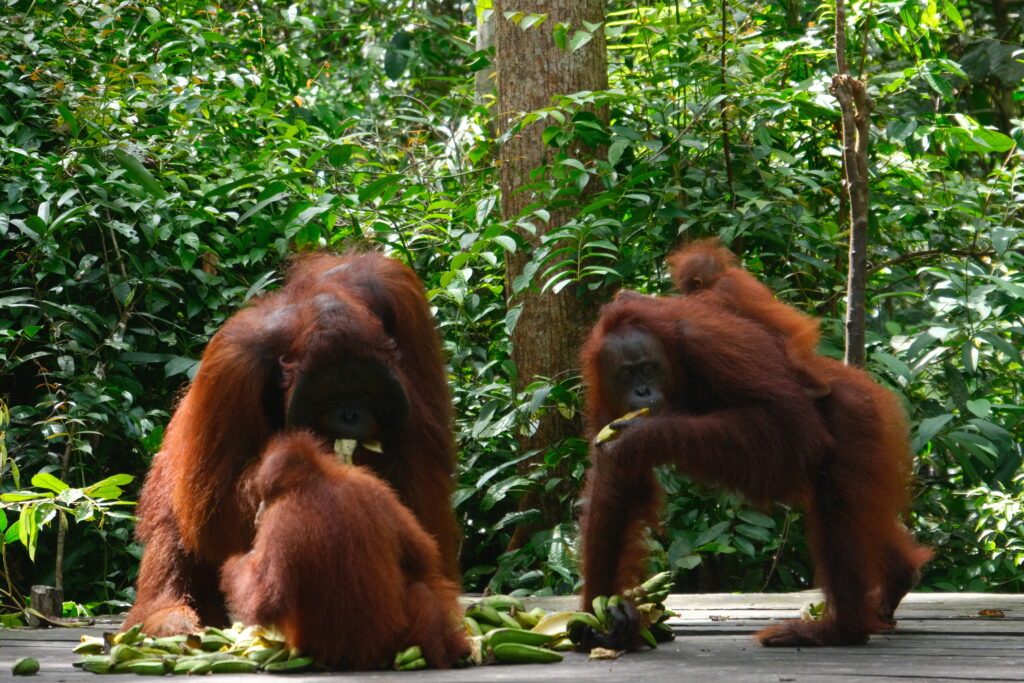
The most iconic species in the park is the orangutan, which has become the symbol of Tanjung Puting. Other wildlife includes proboscis monkeys, gibbons, sun bears, clouded leopards, deer, and many bird species such as hornbills and herons. In terms of flora, the park is home to hundreds of plant species, including ironwood trees, ramin, and various medicinal plants traditionally used by local communities.
Orangutan Rehabilitation Centers
One of the main attractions of Tanjung Puting National Park is its orangutan rehabilitation centers, such as Camp Leakey. At these sites, orangutans that were previously kept illegally as pets or displaced from their natural habitats are trained to survive independently in the wild. These rehabilitation programs play a crucial role in protecting the species while also raising global awareness about wildlife conservation and forest preservation.
Ecotourism Potential
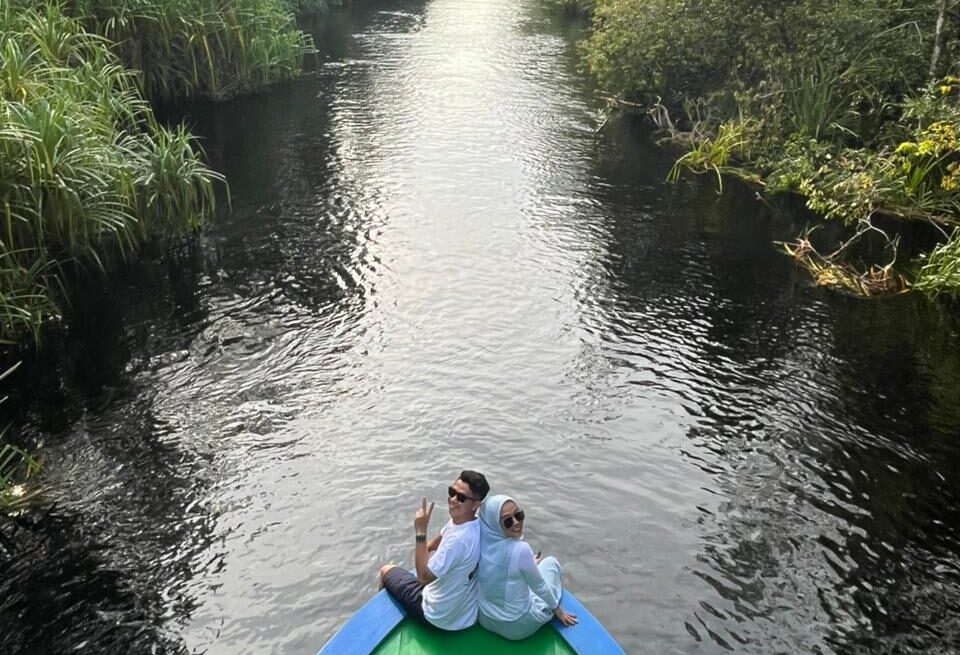
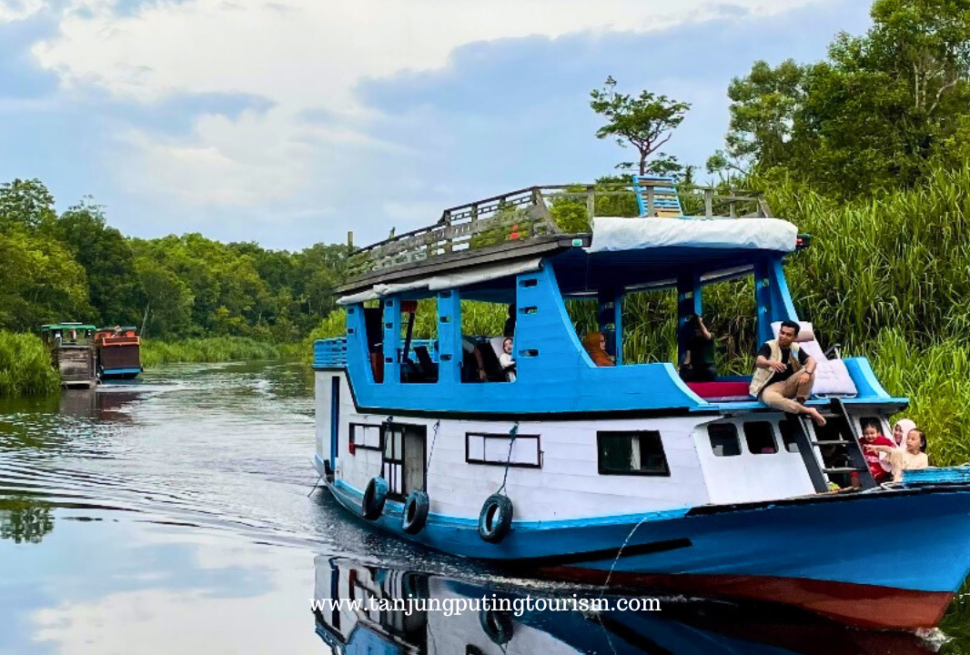
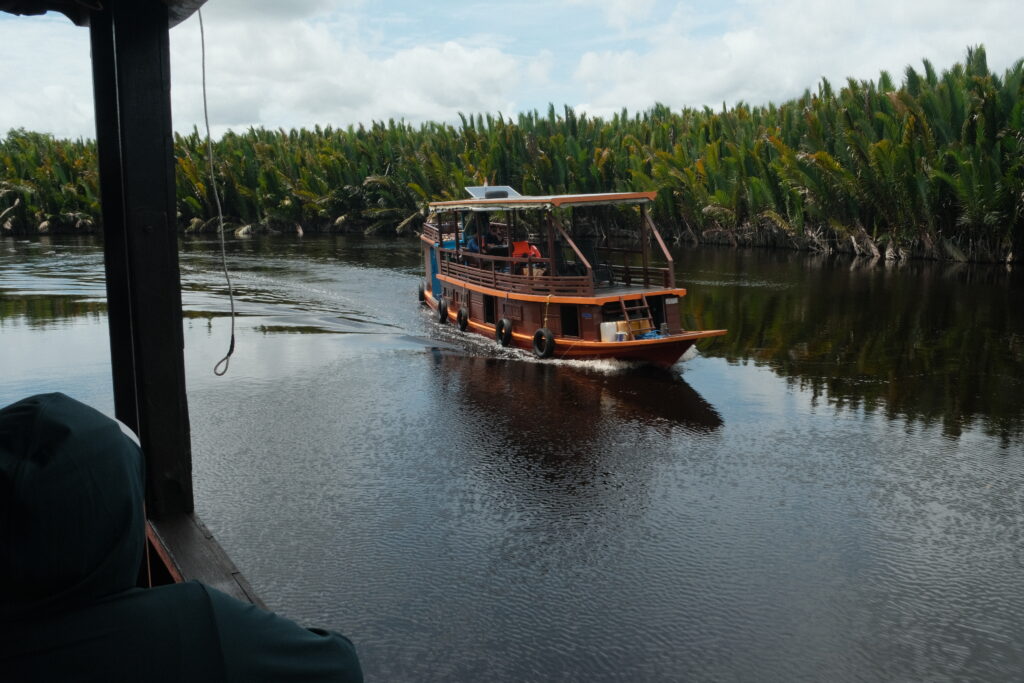
Tanjung Puting is well known for its ecotourism, which emphasizes environmental sustainability and conservation. Visitors can explore the Sekonyer River by traditional wooden boats called klotok, observe orangutans and other wildlife in their natural habitats, and experience the tranquility of tropical rainforests. Tourism activities are designed to be environmentally friendly, ensuring that the ecosystem remains protected.
In addition to nature-based tourism, visitors can also learn about the culture of local communities who live in harmony with the forest. This makes Tanjung Puting not only a recreational destination but also an educational site for environmental awareness.
Challenges and Conservation Efforts
Despite its high ecological value, Tanjung Puting National Park faces several challenges, including illegal logging, forest encroachment, land fires, and human–wildlife conflict. To address these issues, the government, non-governmental organizations, researchers, and local communities work together through forest patrols, rehabilitation programs, environmental education, and the development of sustainable ecotourism.